Interview with Rajan Jolly – Community Curator for King John’s Palace
As part of City Reflections – a spectacular series of light projections coming to Southampton in February 2026 – six Community Curators have been exploring the city’s archives, stories, and heritage. Each curator has worked closely with their community, uncovering hidden histories and reflecting them back through collaboration with the creative team.
We spoke with Rajan Jolly, who has been working on the projection for King John’s Palace.
Can you tell us a bit about yourself and what brought you to the Community Curator role?
My name is Rajan Jolly, and a year ago I had the opportunity to become a Community Curator. I’ve been fortunate to build strong networks within the Asian community – our social media groups reach over 10,000 people. That means I can share information from organisations like Southampton City Council or Southampton Forward with the community very quickly, and also pass feedback the other way.
I’m really proud to be part of Southampton Forward and the City Reflections team, using this platform to give back to the community and ensure their voices are heard.
What was it about this project specifically that appealed to you?
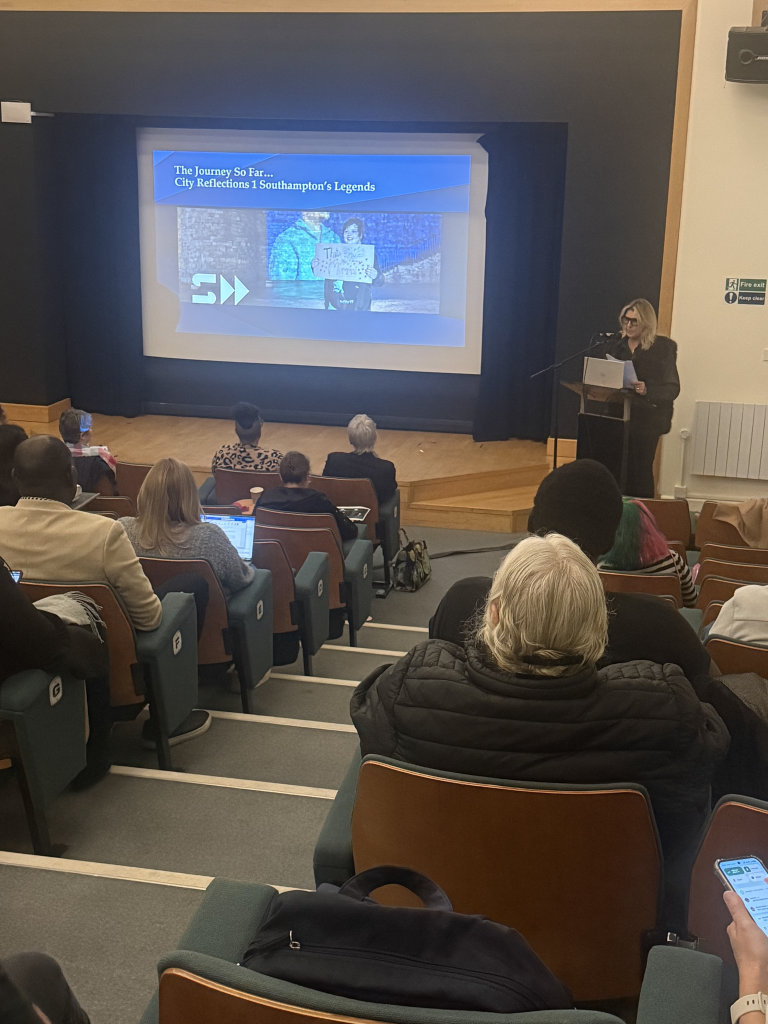
During City Reflections 1 earlier this year, I was amazed to see myself projected onto Southampton’s historic walls. It felt like such an honour and a privilege – a recognition of the work we do to give back. That moment gave me the drive to do even more.
So when the opportunity came to be part of City Reflections 2, I jumped at it. The idea of learning about the city’s rich history and archives, and sharing that with my community, was too good to miss.
What building and theme have you been given?
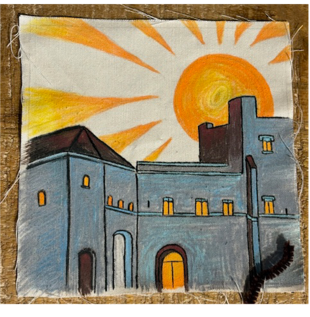
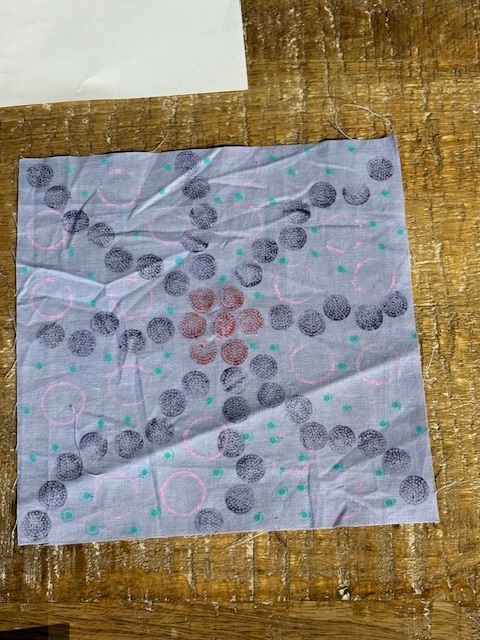
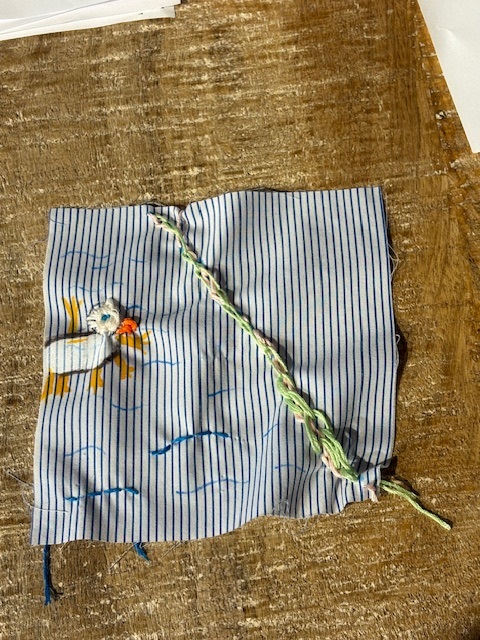
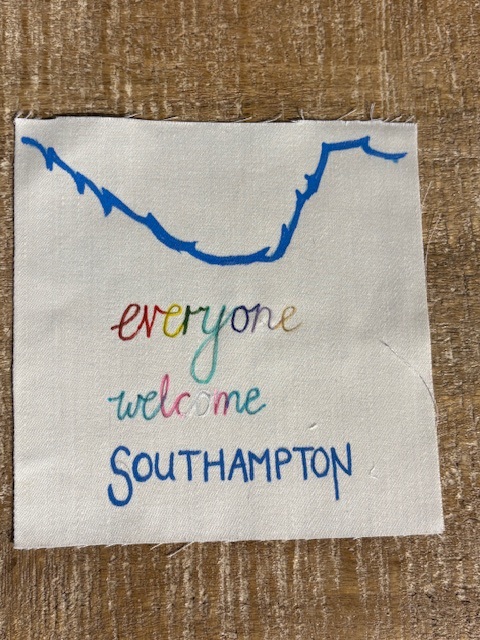
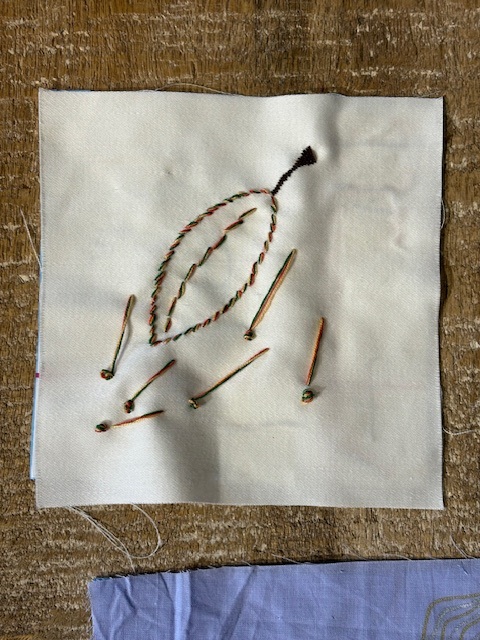
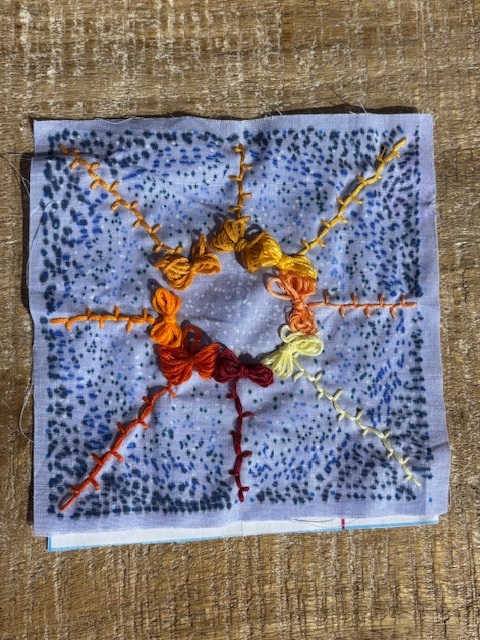
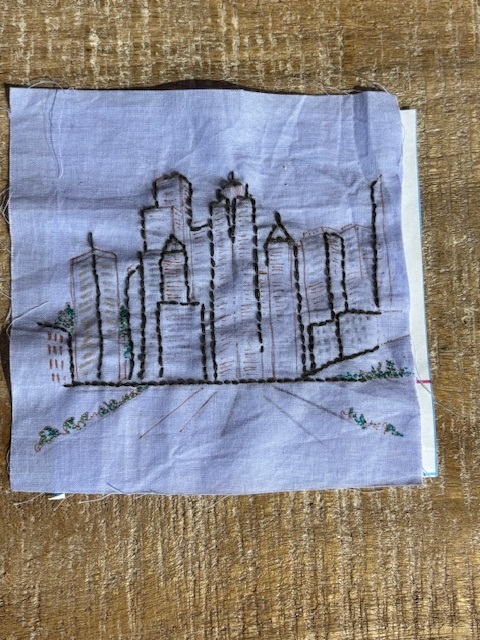
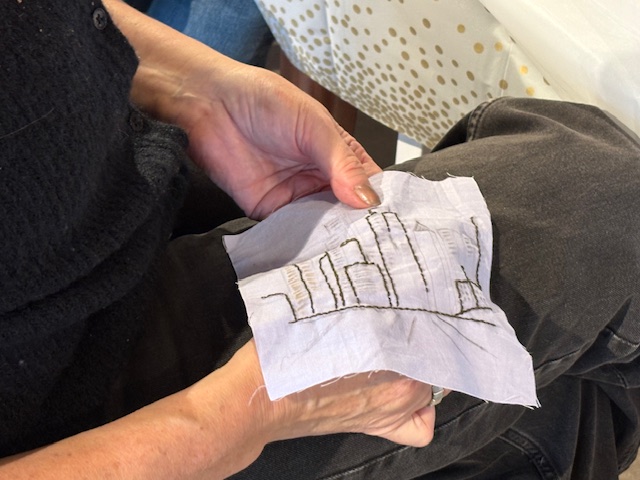
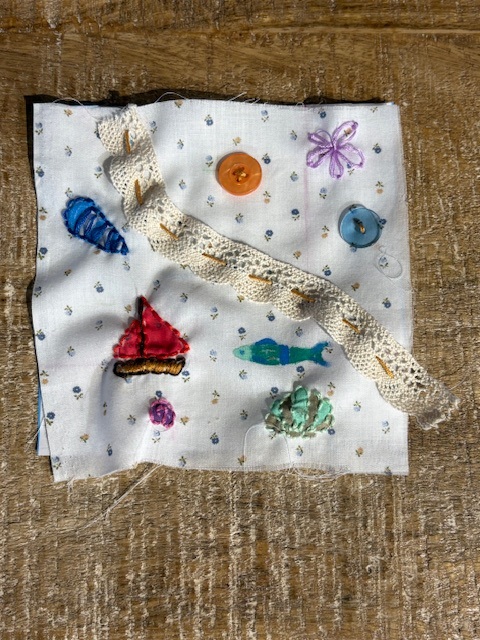
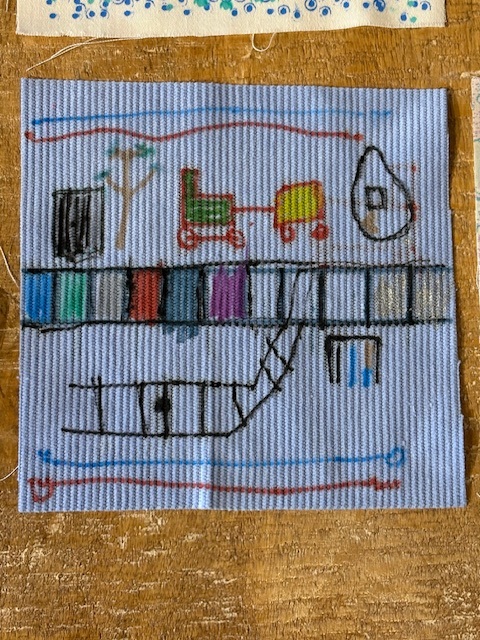
I’ve been given King John’s Palace, with the theme of Trade and Textiles.
How have you approached the project – both in terms of research and engaging your community?
At first, I researched the theme of trade and textiles on my own, but I was also lucky to be guided through the Southampton Archives. I learned just how central Southampton has always been as a trading port – from Roman times to the medieval period and beyond.
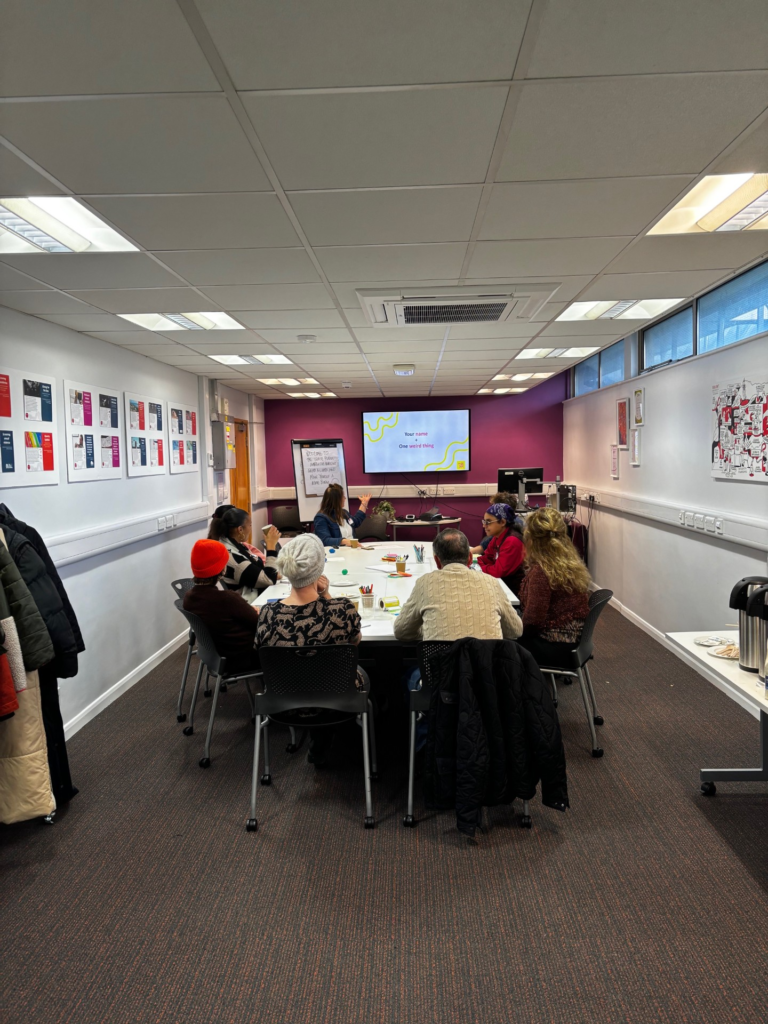
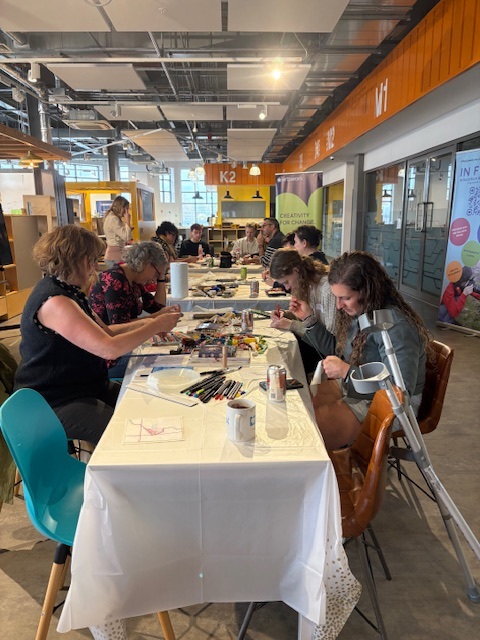
I also learned a lot from my fellow Community Curators. In our meetings, I discovered more about shipping, communities, and culture. In just a few months, I’ve become a real advocate for Southampton’s history. When friends visit from outside the city, I proudly share its stories and heritage.
To engage my community, I invited 20 people from the Asian community to join me on visits to SeaCity Museum and Tudor House. The response was overwhelming – more than 200 people wanted to take part, and in the end I brought 24 along. Many had lived in Southampton for years but had never visited these historic sites.
At the museum they were fascinated by the Titanic exhibition, the old menus, and the clothing on display. I also told them about Southampton’s banana trade, where workers sang songs while unloading shipments. It was inspiring to see people connect so strongly with the city’s history for the first time.
What has been the most meaningful or surprising part of the experience for you?
One of the most meaningful moments was meeting the other Community Curators. I was pleasantly surprised by how diverse the group is – people from very different backgrounds, each with their own stories and expertise. Learning from them has been inspiring and has shown me just how many perspectives come together to shape Southampton.
Has working on this project shaped or changed your thinking about community or creativity?
Yes, definitely. Day-to-day, I already felt connected to my community, but learning about Southampton’s deep history has brought me closer to the city itself. I’ve come to appreciate even more the place where I live.
Southampton has always made me feel safe and welcome. Even as someone from a different background, I’ve never felt excluded here. Talking with friends in other parts of the UK, I know that’s not the case everywhere. This project has strengthened my sense of belonging and pride in the city.
Now that you’re nearly ready to hand over to the creative team, what are your hopes or reflections?
I hope people will come to see the projections in February and feel closer to the city as a result. Southampton has changed so much over the centuries, and today it is wonderfully diverse.
Projects like this not only showcase its rich heritage, but also help younger generations appreciate the city they live in. I also hope it attracts more visitors, so even more people can discover Southampton’s culture and history.
What does belonging in Southampton feel like to you?
I feel I completely belong in Southampton. I’ve lived here for many years and can’t imagine living anywhere else.
The city has given me so much, and I try to give back by helping others feel they belong too. Through my community groups, I’ve promoted Southampton’s bid to be City of Culture and shared its monuments and heritage to spread pride and positivity.
It’s easy to focus on the negatives, but Southampton has so many good things to offer. If more people could see that, they’d appreciate the city even more. For me, that’s what belonging is about – feeling part of something bigger, and helping others feel it too.
Experience City Reflections
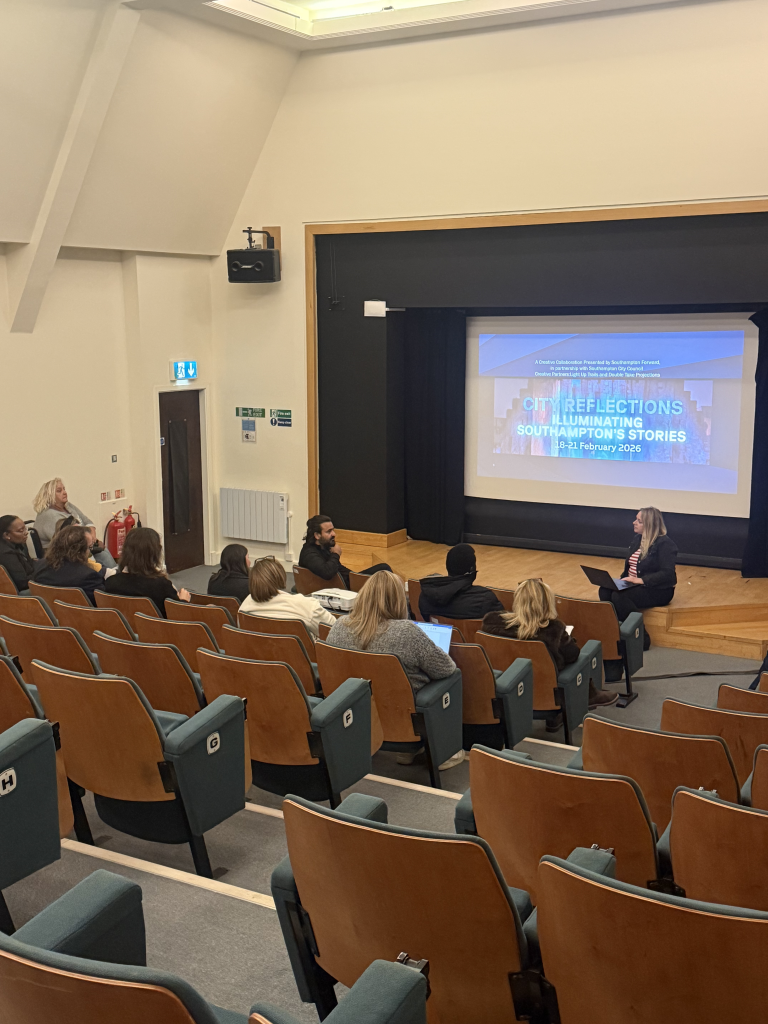
You can see Rajan Jolly’s work – along with projections created by five other Community Curators – as part of City Reflections, taking place across Southampton from 18–21 February 2026.
Stay tuned for more behind-the-scenes interviews as we shine a light on the people and stories that make up this extraordinary city.
Our thanks to the Southampton City Council’s Museum, Gallery and Archive collections and Historic Monuments
















Share this post